How to Choose the Right Quad Bike Desert Safari in Dubai
Choosing a quad bike desert safari dubai experience is less about picking the first option you see and more about matching the ride to your comfort level, schedule, and expectations. Dubai's desert looks inviting from a distance, but the terrain changes quickly, and a safari can feel very different depending on the route, the pace, the group size, and the way the day is organised. A thoughtful choice makes the outing safer, smoother, and far more enjoyable.
The best approach is to work through the decision in order. Start with what kind of experience you want, then check the practical details that affect safety and comfort. By the time you look at extras, the main choice should already feel clear.
Decide what kind of outing you want
Begin by setting the tone of the experience. Some quad bike trips focus mainly on riding across open sand, while others combine driving with a desert safari that includes stops, photos, and evening entertainment. Neither option is automatically better. The right one depends on how much time you want on the quad bike and how much you want around it.
If the ride itself is the main attraction, look for an itinerary that gives clear time to ride rather than a short turn followed by a long wait at a camp. If you want a broader desert outing, a package with a sightseeing stop, a photo opportunity, or an evening BBQ may suit you better. Watch for vague wording such as "desert experience" without details of what happens between pickup and return. Clear descriptions usually signal a better match than broad promises.
Also think about the time of day. Morning trips often feel calmer, with lighter traffic on the way out and softer light across the dunes. Afternoon and evening outings can be more atmospheric, especially when the sand changes colour near sunset. The trade-off is that later trips may feel busier, particularly when paired with dinner or entertainment.
Match the ride to your experience level
A quad bike is easy to understand in principle, but sand riding asks for more control than a flat paved route. Steering, balance, and throttle control all matter, especially on a sand dune where the surface can shift under the wheels. Be honest about your experience before choosing a route or vehicle class.
First-time riders should look for a ride with a proper safety briefing, a controlled starting area, and time to get comfortable before heading into rougher ground. Watch whether the pace is described in flexible terms. A route that expects everyone to keep up can feel stressful for beginners. If the description suggests previous experience, treat that as a real requirement rather than a minor detail.
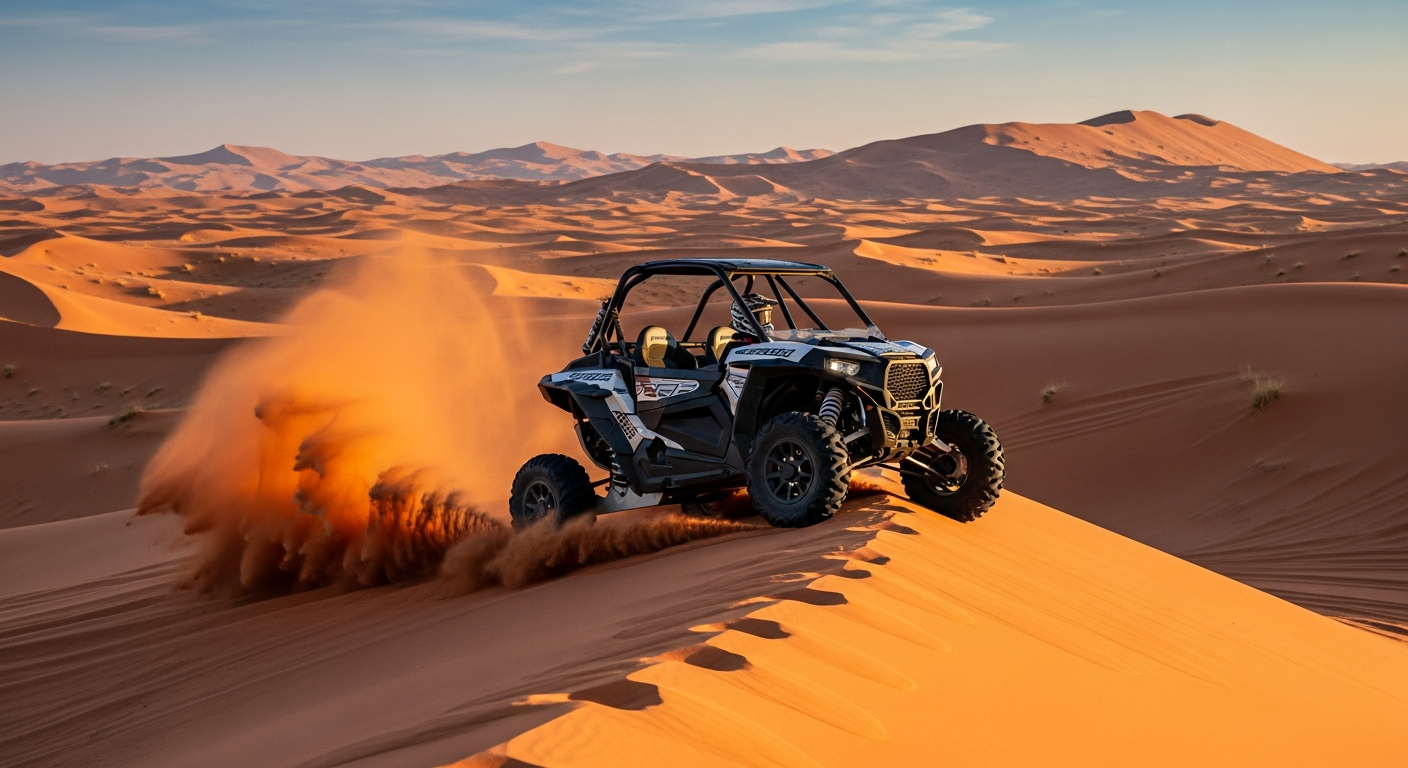
More confident riders may want longer routes, faster sections, or terrain with more variation. Even then, caution is still part of a good choice. desert riding rewards control more than speed. A well-run outing gives riders room to enjoy the landscape without turning the trip into a race.
Age, height, and physical comfort can also affect the decision. If children or older adults are joining, check whether there are passenger options, quieter areas, or non-riding activities that let everyone take part. Do not assume that all quad bikes suit all body types. Ask about fit before committing, especially if a rider is tall, short, or recovering from an injury.
Check the safety setup before anything else
Safety is not a small detail in the desert. It shapes the whole experience. Before choosing a quad bike desert safari dubai option, look closely at how safety is handled. The most useful information is practical, not decorative. You want to know what happens at the start, what rules riders follow, and how the route is managed.
A reliable outing should include a safety briefing before riding begins. That briefing should cover basic controls, hand signals, spacing between riders, what to do if the group stops, and how to behave near dunes. Helmets and other protective gear are worth checking for as well. If the details are missing, ask rather than assume.
Pay attention to supervision. A group with clear guidance is easier to enjoy than one where everyone is left to figure things out. The route should also suit the group's ability. Wide, open areas are more forgiving than tight paths or steep dune faces. If a plan relies on riders taking risks to keep the schedule moving, it is not the right plan.
Weather matters too. Heat can drain energy quickly, and dust can reduce visibility. Choose a trip that accounts for water, rest, and a realistic pace. In hotter months, an early or late start may be more comfortable than the middle of the day. If conditions look severe, a flexible approach is better than pushing ahead.
Read the itinerary line by line
Once the safety basics make sense, read the itinerary as a sequence of real events. Note when the ride starts, how long it lasts, where stops happen, and what riders do after the driving portion. A good itinerary helps you picture the day without needing to guess.
Look for the balance between riding and waiting. Long transfers, repeated photo stops, or a large camp schedule can reduce the time you actually spend on a quad bike. That may be fine if you want a full desert outing, but it matters if riding is the reason you are booking. On the other hand, a route with no breaks may feel tiring, especially for new riders.
Check whether the route includes a sightseeing stop or photo opportunity in a place that makes sense. A short pause can be pleasant, but too many stops break the flow. If an evening BBQ is included, see how it fits with the ride and the return journey. A late finish can affect the next day, particularly for families.
When comparing options, keep notes in the same format for each one. This prevents one attractive detail from hiding weaker parts of the plan. Some readers also use a shortlist format like this:
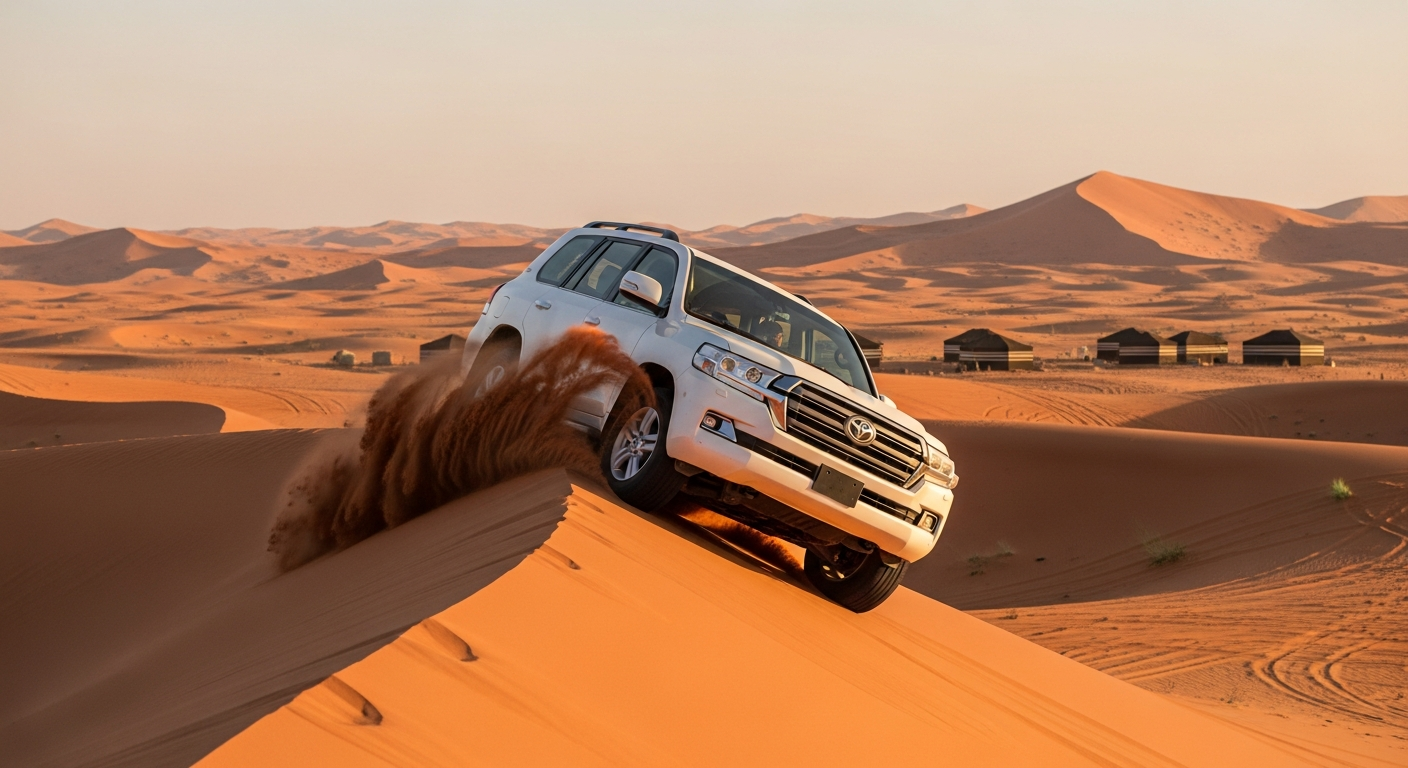
- Ride time and route style
- Safety briefing and protective gear
- Group size and rider fit
- Stops, meals, and extra activities
- Cancellation and weather flexibility
Compare the group size and pace
Group size changes the feel of a safari more than many people expect. A smaller group often means clearer communication, shorter waits, and more space on the sand. A larger group may feel lively and social, but it can also slow the pace and make the ride feel less personal.
Ask how riders are grouped. Mixed ability groups can work well when the route has options, but they can be frustrating if the pace is fixed. Families may prefer a calmer group, while experienced riders may enjoy a setting where everyone understands basic control. The aim is not to find the smallest group, but the group that fits your expectations.
The role of the guide also matters. Clear instructions at the beginning and steady attention during the ride help riders relax. Watch for signs that the pace is controlled rather than rushed. If the plan sounds like riders must stay close at all times, ask how often stops happen and whether slower riders have space to settle into the route.
This is where a name such as alqudratours.com may appear during research, but the name alone should not decide the matter. Compare the actual ride details, the route, the safety information, and the way the day is described. A clear plan is easier to judge than a polished slogan.
Look carefully at what is included
Inclusions can make two similar-looking trips feel quite different. Start with the riding essentials, then move through the rest of the day. Check whether helmets, water, transport, meals, or activity photos are part of the plan. If something matters to you, confirm it before choosing rather than hoping it appears on the day.
Protective gear deserves special attention. In desert conditions, dust and sun can be as uncomfortable as the bumps. Closed shoes, loose but secure clothing, sunglasses, and sun protection can make the ride more pleasant. Some riders also prefer a face covering or scarf. These personal items do not replace proper safety equipment, but they help with comfort.
If a wildlife sighting is mentioned, treat it as a possible feature rather than a guaranteed moment. Desert wildlife is not stage managed, and animals may not appear when expected. The same applies to a photo opportunity at a scenic stop. A good trip can still be worthwhile without a perfect wildlife moment, so do not let that single possibility drive the whole choice.
Food is another practical point. An evening BBQ can add value to a broader safari, but it also changes the timing and the atmosphere. If you have dietary needs, check them in advance. If you only want a ride, a long dinner schedule may feel like extra time you did not plan for.
Read the terms and ask targeted questions
Before making a final decision, read the booking terms with the same care you gave the itinerary. Look for clear information on changes, delays, weather, and what happens if you arrive late. Desert plans can be affected by conditions, so flexibility is useful. A vague policy can become a source of frustration if plans shift.
Ask a few direct questions if the answer is not easy to find. Does the safety briefing happen before all riders depart? Is the route adjusted for beginners? How much of the outing is spent riding? Are helmets provided in the right sizes? What happens if dust or heat makes the ride uncomfortable? The quality of the answer often tells you as much as the answer itself.
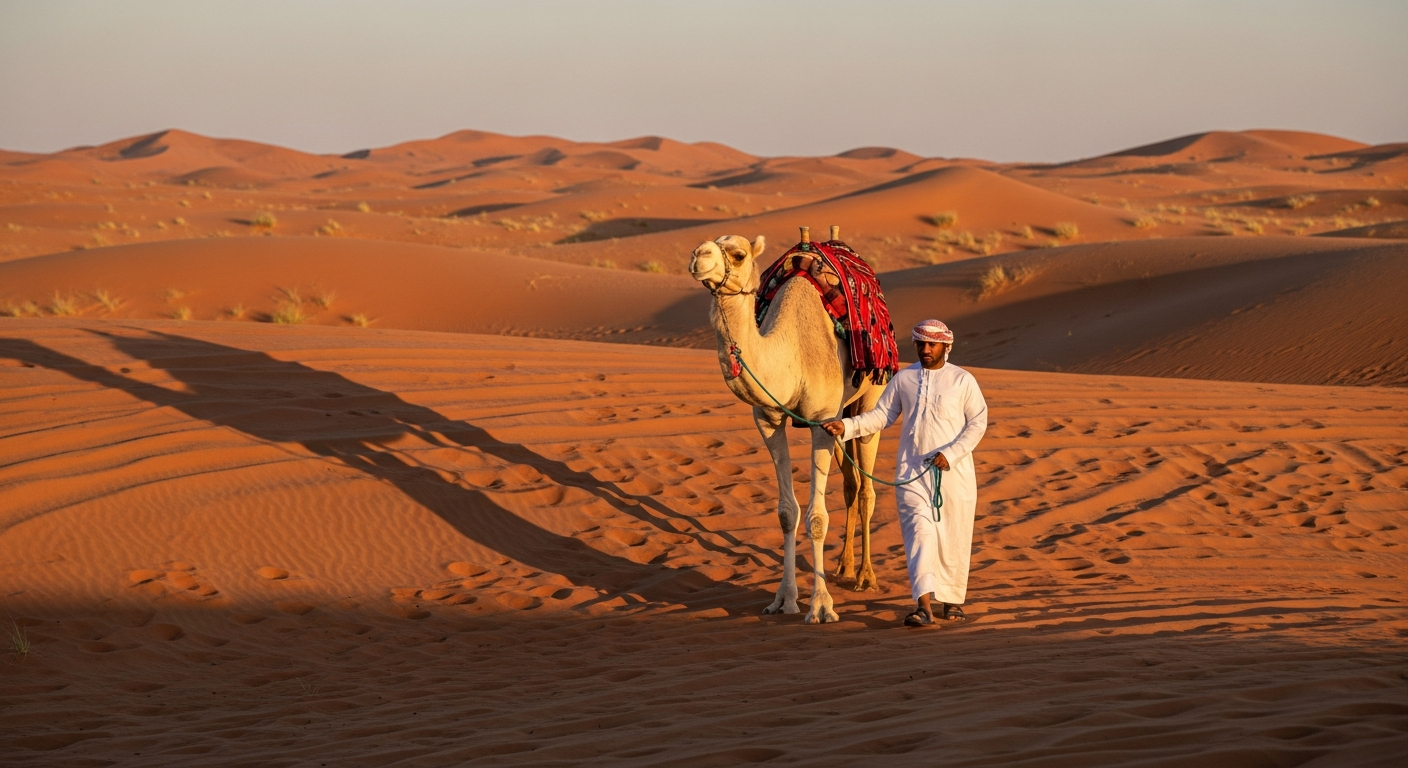
Be cautious with choices that sound too simple. A quad bike ride over dunes should not be treated like a casual short drive. If the description avoids discussing control, supervision, or rider fit, keep looking. Clear boundaries are a sign of a well-planned experience, not a lack of adventure.
Another mention of alqudratours.com can fit naturally here as part of wider research, comparing one site against others on the same practical points. The decision should still rest on the ride details, the clarity of the plan, and whether the outing matches the kind of day you have in mind.
Make the final choice with comfort in mind
When all the details are laid out, choose the option that feels manageable from start to finish. A quad bike desert safari dubai outing should feel exciting, but not uncertain in the wrong way. You should know where you are going, what you will do, how safety is handled, and what happens if conditions change.
The right pick is rarely the one with the longest list of activities. It is the one where the riding time, route, group pace, safety briefing, and overall schedule fit together. If you are new to quad bikes, favour a calm introduction. If you are experienced, look for a route with enough space and variation to hold your interest. In either case, leave room for the desert itself. The dunes, the light, and the quiet between rides are often what people remember most.
Take a final look at the plan before you decide. If it reads clearly, answers the practical questions, and matches your comfort level, it is likely a better choice than an option built around big promises. A well-matched safari starts with a sensible decision, long before the quad bike reaches the sand.